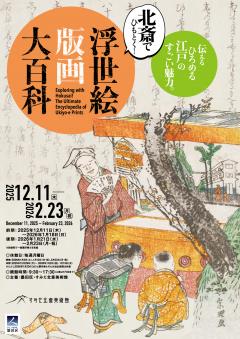
Highlights of the Exhibition
①The evolution and technological innovation of ukiyo-e prints
From "sumizuri-e" printed in a single color, sumi black to "nishiki-e”, polychrome prints. Weintroduce the printing techniques and ingenuity developed by Edo artisans, including the inventionof the the registration mark, kentō.
②The elaborated beauty by division work of painter, carver and printer
Ukiyo-e prints are completed through collaboration between painters, carvers, and printers, withthe publisher at the center. This exhibition focuses the ultimate beauty born from this division ofwork, including the delicate carving and ingenuity of the printing process.
③“Media in Edo” reflecting the lives and times of people living in Edo
Ukiyo-e prints were also a medium that reflected the lives and customs of ordinary people.Through a variety of works, such as pictures of actors or famous places, fans, and advertisements,we can see the culture of Edo and the changes over time.
Section 1 Japan’s Woodblock Prints: The Beginnings
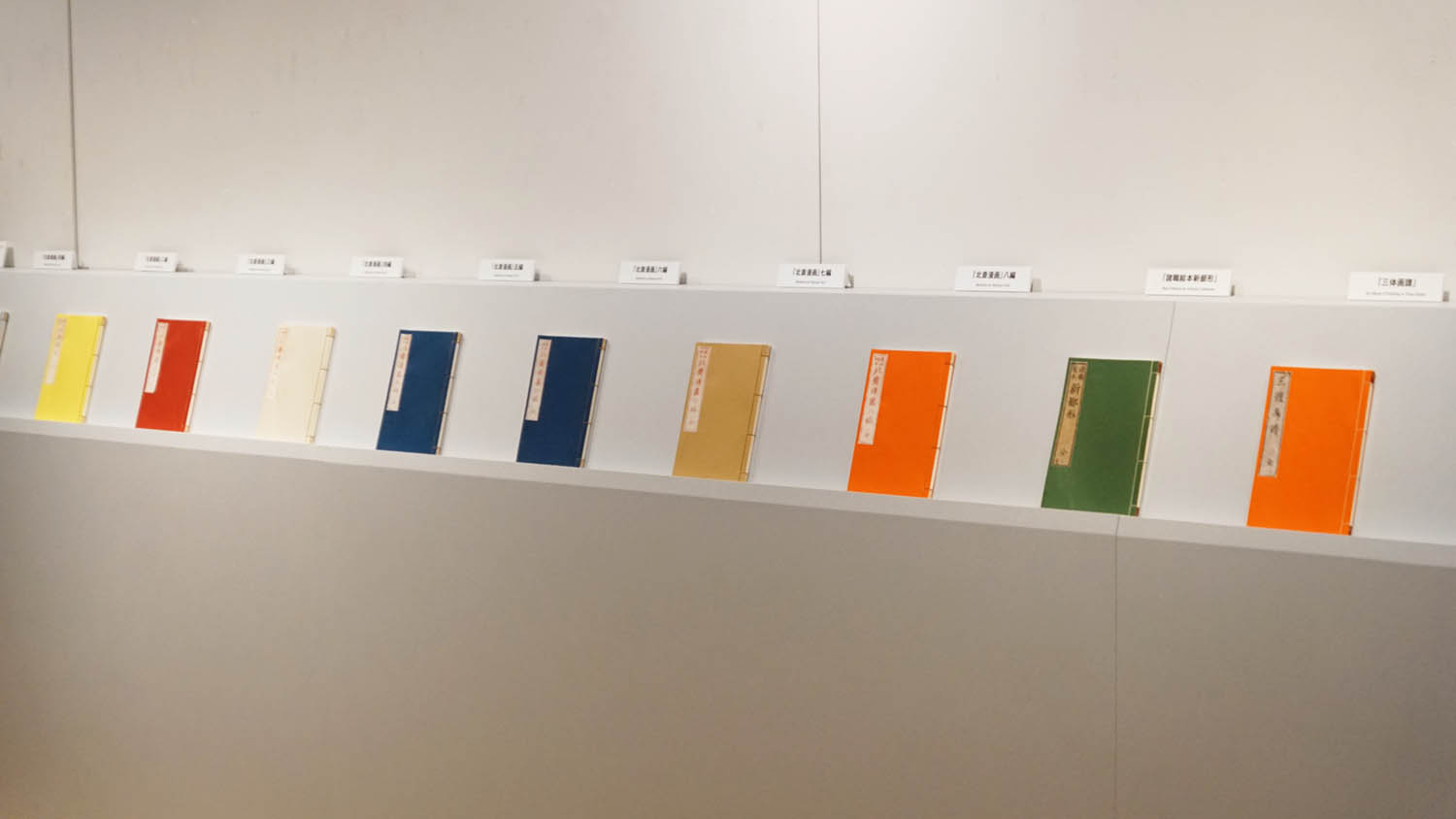
Hokusai’s world-famous Thirty-six Views of Mount Fuji series consists of woodblock prints printed with multiple color blocks. Originally, ukiyo-e prints were printed in a single color, sumi black. The history through which the polychrome prints know as nishiki-e, brocade prints, is quite extensive. Let’s begin exploring by looking at woodblock prints as they existed before the Edo period.
1-1 Transmitting Peoples’ Prayers
The origins of woodblock techniques in Japan have a deep connection with the spread of Buddhism, which was introduced from China in the Asuka period (593-710). In the Heian period (794-1192), to produce them in large volumes, Buddhist sutras were printed using woodblocks.
.jpg)
Unknown, Inbutsu of a seated image of Amida,
The Sumida Hokusai Museum (1st term)
1-2 Invention of the Registration Mark, Kentō: From Monochrome to Polychrome
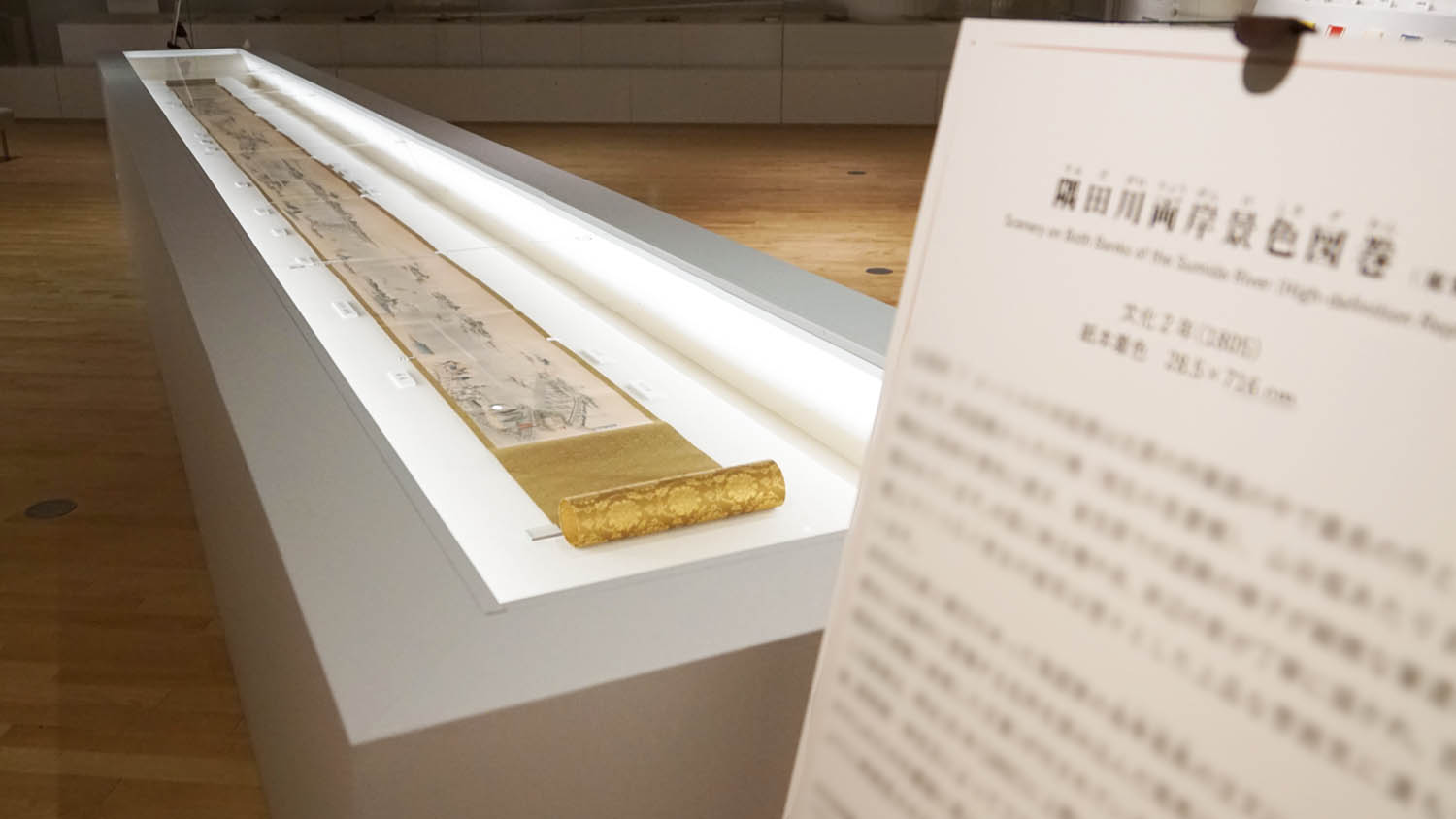
In the Edo period, ukiyo-e prints in a single sumi black color (sumizuri-e) appeared in the Enpō era (1673-81). Colors were sometimes brushed onto them. In the Kanpō era (1741-44), however, it became possible to produce prints by layering multiple colors. That came about due to the invention of the registration mark (kentō), carved on each block, to keep the colors aligned properly. Although the number of colors was limited, such as red, green, and yellow, it was a major step forward.
Section 2 Exploring Ukiyo-e Prints
In Meiwa 2 (1765), a craze swept through aficionados for picture calendar exchange gatherings, with participants competing over designs for what were called daishō (“large and small”) calendars. Their popularity led to rapid improvements in the production techniques for polychrome woodblock prints.
2-1 Printing, Color by Color: How to Produce Ukiyo-e Prints方
Let’s take a look at the process for creating ukiyo-e prints in multiple colors. It uses the key block, in which the carver outlines the lines on the master drawing, then carves away around them and carves a color block for each color being used.
2-2 Don’t Waste Paper! Variations in Paper Size
Ukiyo-e prints were commercial products planned by the publisher. As is always the case in a business, both cost performance and time performance are vitally important. For example, the sizes of ukiyo-e are based on half of the full sheet of paper, then cut in half again, so that no paper is wasted.
*The dimensions of paper vary with the period and place where it was produced. There are many unknown points about the paper used for printing ukiyo-e.
2-3 Expressive techniques in Ukiyo-e prints: The craftsman’s skills are in the details
Ukiyo-e prints demonstrate the carving and printing techniques possible with woodblock prints. The craftsmen’s competition honed their many skills, which added to ukiyo-e prints’ fascination.
.jpg)
Katsushika Hokusai,
Snow at the Sumida River, from the
series Snow, Moon and Flowers,
The Sumida Hokusai Museum (1st term)
.jpg)
Katsushika Hokusai, Urashima Tarō Enters the Dragon
Palace, from the series Newly Published Perspective
Pictures, The Sumida Hokusai Museum (2nd term)
Section 3 Ukiyo-e Prints in Daily Life
Ukiyo-e prints were also a medium for sending out information. These prints, so familiar to the people of Edo, were also useful daily necessities.
3-1 Draw anything! Life in Edo provides countless themes
Ukiyo-e are pictures of the ukiyo, the world of today. Anything and everything in the lives of ordinary people can be the subject of these works. Kabuki, theater that the people of Edo enjoyed, large portraits of favorite actors, pictures of famous places that visitors from other regions could take home as souvenirs—the themes are boundless.
.jpg)
Katsushika Hokusai,
Peepshow Box,
The Sumida Hokusai Museum (all terms)
*The work will be replaced with different print of the same
title during the period.
3-2 This, too, is an Ukiyo-e print—everyday printed matter, almost too familiar
Woodblock prints utilize a printing technique used in many ways. Ukiyo-e artists’ depictions of ordinary things that people used in their daily lives were woodblock printed. Fans, flyers advertising products, bags to hold sweets—all could made as ukiyo-e prints. Toys, works providing updates with the latest news about celebrities—anything is possible!
.jpg)
Katsushika Hokusai,
The Nori Seaweed Shop Patronized by Tōeizan Temple,
The Sumida Hokusai Museum (1st term)
Section 4 Ukiyo-e Prints Change with the Times
In the Meiji period, modernization meant that ukiyo-e, which had provided ordinary people with all sorts of information, gradually handed over that role to new media, including photographs and newspapers. Voices were, however, raised mourning the disappearing face of Edo and the woodblock print techniques dying out, and a trend of recollecting Edo developed.
4-1 Information in Ukiyo-e Prints: Communicating the “Now” of Japan
In the Meiji period, new products, new ideas, and new values poured in. Ukiyo-e prints also appeared that captured the changing cityscapes—and the changing times.
.jpg)
Toyohara Kunichika,
Photographs, from the series A Mirror of Modern and Customs,
The Sumida Hokusai Museum (1st term)
4-2 New Developments in Ukiyo-e: From Mass Media to Art
Ukiyo-e prints’ roles had also included news coverage, but were replaced, in that role, by photography and newspapers, which could capture facts as is and deliver the news promptly. Meanwhile, expressive woodblock print techniques that express subtle qualities impossible to capture in photographs also emerged, ushering a new age in ukiyo-e prints.
.jpg)
Kobayashi Kiyochika,
Shimbashi Station, from the Famous Places of Tokyo,
Hara Shobo (2nd term)後期)
List of Works
List of Works
Admission Fee
|
|
Individual
|
Group
|
|
Adults
|
¥1000
|
¥900
|
|
Students(High school, college)
|
¥700
|
¥600
|
|
65 and over
|
¥700
|
¥600
|
|
Students(Junior high)
|
¥300
|
¥200
|
|
Disabled visitors
|
¥300
|
¥200
|
|
Primary school and younger
|
Free
|
Free
|
Tickets are available online for specific dates and times.
Skip the line at reception by booking in advance at the link below.
Note: Availability is limited.
Official Online Ticket site
・Junior high, high school, and university students (including technical college, vocational school, and special training college students) will be requested to show student ID.
・Adults 65 and over will be requested to show a document verifying age.
・Persons with a certificate such as the following plus one accompanying person are admitted at a discount charge: physical disability, intellectual disability, rehabilitation, mentally handicapped health and welfare, atomic bomb victim health notebook, etc. (Please show your certificate at time of admission.)
・Use of these tickets is limited to the day visitors view the exhibiions and allows you to see also "Education Room-Discover Hokusai-" and Permanent Exhibition Plus.
・For group visit, reservation in advance is required. See For Group Visit.
・For school group visits and field trip programs, reservation in advance is required. See For Teachers.
・After tickets have been purchased, Changes and refunds cannot be made after . However, refunds will be made only in the event of a museum closure due to inevitable force.
Exhibition Leaflet
Original leaflet filled with highlights of the exhibition will be sold from Dec. 11, 2025.
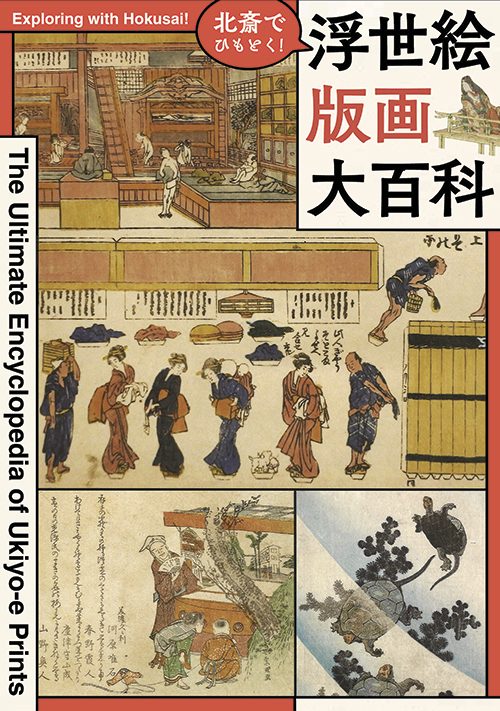
| Title |
北斎でひもとく!浮世絵版画大百科
Exploring with Hokusai! The Ultimate Encyclopedia of Ukiyo-e Prints |
| Price |
¥350 (tax included) |
| Format |
Full Color, A4 size, 7 pages in all |
| Release Date |
Dec.11, 2025 |
| Location |
Museum Shop, 1F, Sumida Hokusai Museum |
*Unauthorized reproduction or diversion of work-images is forbidden.

 Access
 Publications
 For the Press
.jpg)